All-Bengal Lawyers’ Conference: Reclaiming India’s Civilizational Legal Tradition

The All-Bengal Lawyers’ Conference (নিখিল বঙ্গ বিধিবেত্তা সম্মেলন) is founded upon the understanding that India is not merely a modern territorial or political formation, but a civilizational Nation, whose conception of Rashtra reaches deep into its ancient history and sacred literature. The Aitareya Brāhmaṇa contains an important conception of the Rashtra in which the most learned, the scholars and those possessing knowledge and wisdom, have a duty to act as its protectors. Their responsibility is not confined to private learning; they are expected to engage with the Rashtra in the formulation of policy, the administration of justice and the creation of an equitable environment necessary for the preservation and sustenance of all those who constitute and depend upon the Rashtra.
The memory of Indian jurisprudence preserves with reverence the names of ancient lawgivers and authorities such as Manu, Daksha, Bhrigu, Vishvamitra, Narada, Brihaspati and Katyayana, together with the traditions associated with Rama of the Solar Dynasty, Yudhishthira of the Lunar Dynasty and Kautilya Vishnugupta. Their teachings concerning Dharma, law, kingship, administration, justice and social order formed an extensive intellectual foundation for what may be understood as the Dharmic administration of ancient India. In the subsequent course of history, that system was progressively weakened and, in certain periods and regions, substantially displaced. The intellectual and spiritual efforts of Acharya Shankara, Ramanuja, Madhvacharya and Krishna Chaitanya Bharati, among others, represented powerful movements of restoration, renewal and reassertion of India’s own civilizational principles.
India subsequently became vulnerable to foreign invaders and foreign domination. The consequences were not limited to political conquest and economic exploitation. There was also, in the view underlying this Conference, a sustained attempt to misrepresent India’s civilisation, misunderstand or deliberately distort its sacred literature and Dharmaśāstras, and employ such distorted representations in support of political domination and religious conversion. The colonial period further entrenched legal and institutional structures which were developed outside the Indian civilizational conception of Rashtra and were consequently not always compatible with the deeper principles of Indian nation-building.
The history of 15 August 1947 therefore contains a profound historical paradox. It marked the termination of British political rule and the recovery of independence after a long period of foreign domination; yet it was also the date upon which the ancient land regarded by Indians as Mother India was violently divided through Partition, and a substantial portion of the country was constituted as Pakistan. Independence was thus both a moment of liberation from foreign invaders and a moment of immense civilizational and territorial rupture.
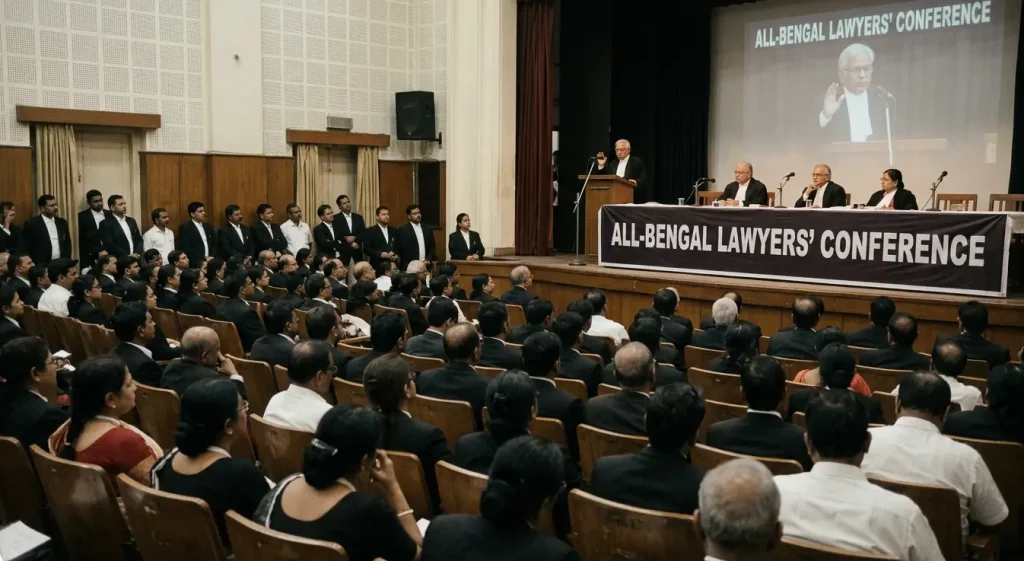
The All-Bengal Lawyers’ Conference seeks to examine this unfinished question through law, history, jurisprudence and civilizational study. Its purpose is to read, research, discuss and propagate the meaning of the Indian Nation and the Indian national interest in relation to the principles preserved in India’s ancient sacred texts, the teachings of its sages, its lawgivers and its rulers. It seeks to create an atmosphere of serious dialogue within the legal fraternity, bringing lawyers, judges, legislators, members of the executive administration, students, researchers and Vedic scholars into a common intellectual forum.
The objective is neither to abandon the modern legal order nor to treat the past as a museum of dead institutions. It is to examine whether the principles of Dharma, justice, due process, equitable administration, responsibility of authority and protection of the Rashtra can be understood afresh and applied according to the needs and circumstances of the present age. The Conference is therefore conceived as a forum for intellectual recovery as well as contemporary legal engagement: to investigate the Indian foundations of justice, to question inherited assumptions where necessary, and to contribute towards the establishment of a society in which rule of law, justice and due process are not merely formal expressions but realities visible and intelligible to the people.
The All-Bengal Lawyers’ Conference is a non-governmental and non-political organisation. It brings together the legal fraternity, students, researchers, speakers and Vedic scholars under a single intellectual platform for dialogue, research and propagation concerning the relationship between India’s civilizational inheritance and its contemporary legal and national life.
বিধিবেত্তা সম্মেলন সম্পর্কে ঐতিহাসিক প্রেক্ষাপট, ভারতীয় সভ্যতাগত আইন-ঐতিহ্য, আইনজীবীদের ভূমিকা এবং সমকালীন আইনব্যবস্থা
অল-বেঙ্গল ল’ইয়ার্স কনফারেন্স (নিখিল বঙ্গ বিধিবেত্তা সম্মেলন) এই বিশ্বাসের উপর প্রতিষ্ঠিত যে ভারত কেবল আধুনিক অর্থে একটি ভূখণ্ড বা রাজনৈতিক রাষ্ট্র নয়; ভারত একটি সভ্যতা-রাষ্ট্র, যার রাষ্ট্র (Rashtra)-ধারণার শিকড় তার সুদীর্ঘ ইতিহাস, ঐতিহ্য এবং পবিত্র শাস্ত্রের মধ্যে নিহিত। ঐতরেয় ব্রাহ্মণ-এ রাষ্ট্রের যে ধারণা পাওয়া যায়, তার একটি গুরুত্বপূর্ণ দিক হল—যাঁরা বিদ্যায় শ্রেষ্ঠ, যাঁরা জ্ঞানী ও প্রাজ্ঞ, তাঁদের রাষ্ট্রের রক্ষক হিসেবে দায়িত্ব পালন করতে হবে। তাঁদের কাজ কেবল শাস্ত্রচর্চা বা ব্যক্তিগত জ্ঞানার্জনে সীমাবদ্ধ নয়। রাষ্ট্রের নীতি নির্ধারণ, ন্যায়বিচারের ব্যবস্থা এবং রাষ্ট্রের অন্তর্গত মানুষের জীবন ও স্বার্থ রক্ষার জন্য একটি ন্যায়সঙ্গত পরিবেশ গড়ে তোলার ক্ষেত্রেও তাঁদের ভূমিকা রয়েছে।
ভারতের আইন ও ন্যায়বিচারের প্রাচীন স্মৃতিতে মনু, দক্ষ, ভৃগু, বিশ্বামিত্র, নারদ, বৃহস্পতি ও কাত্যায়ন-এর মতো ধর্মপ্রণেতা ও আইনজ্ঞদের নাম গভীর শ্রদ্ধার সঙ্গে স্মরণ করা হয়। এর সঙ্গে যুক্ত রয়েছেন সূর্যবংশের রাম, চন্দ্রবংশের যুধিষ্ঠির এবং কৌটিল্য বিষ্ণুগুপ্ত। ধর্ম, আইন, রাজধর্ম, শাসন, ন্যায়বিচার ও সমাজব্যবস্থা সম্পর্কে তাঁদের চিন্তা ও বিধান প্রাচীন ভারতের ধার্মিক প্রশাসন-এর একটি সুদৃঢ় ভিত্তি নির্মাণ করেছিল। পরবর্তী ইতিহাসে সেই ব্যবস্থা ধীরে ধীরে দুর্বল হয়েছে এবং কোনো কোনো সময়ে ও অঞ্চলে কার্যত তার স্থান দখল করেছে অন্যতর ব্যবস্থা। পরে আচার্য শঙ্কর, রামানুজ, মধ্বাচার্য ও শ্রীকৃষ্ণচৈতন্য-এর মতো মহাপুরুষদের বৌদ্ধিক ও আধ্যাত্মিক আন্দোলন ভারতীয় ধর্ম ও সভ্যতার নিজস্ব ভিত্তিকে পুনরুজ্জীবিত ও পুনঃপ্রতিষ্ঠিত করার ক্ষেত্রে গুরুত্বপূর্ণ ভূমিকা পালন করে।
পরবর্তীকালে ভারত বিদেশি আক্রমণ ও বিদেশি শাসনের কাছে দুর্বল হয়ে পড়ে। এই পরাধীনতার প্রভাব শুধু রাজনৈতিক দখল বা অর্থনৈতিক লুণ্ঠনের মধ্যেই সীমাবদ্ধ ছিল না। ভারতের সভ্যতা সম্পর্কে ভুল ধারণা প্রচার করা, তার পবিত্র গ্রন্থগুলিকে ভিন্নভাবে ব্যাখ্যা করা, ধর্মশাস্ত্রের বক্তব্যকে বিকৃতভাবে উপস্থাপন করা এবং সেই বিকৃত ব্যাখ্যাকে রাজনৈতিক আধিপত্য ও ধর্মান্তরকরণের কাজে ব্যবহার করার প্রবণতাও গড়ে ওঠে। ঔপনিবেশিক শাসনের দীর্ঘ সময়ে এমন বহু আইন ও প্রতিষ্ঠান ভারতে প্রতিষ্ঠিত হয়, যেগুলির ভিত্তি ছিল বিদেশি রাজনৈতিক ও আইনগত চিন্তায়। ফলে সেগুলি ভারতীয় রাষ্ট্র-ধারণা এবং ভারতের নিজস্ব জাতি-গঠনের গভীরতর ঐতিহ্যের সঙ্গে সর্বদা সামঞ্জস্যপূর্ণ ছিল না।
১৫ আগস্ট ১৯৪৭ ভারতের ইতিহাসে তাই এক গভীর বৈপরীত্যের দিন। একদিকে এই দিন ব্রিটিশ শাসনের অবসান ঘটে এবং দীর্ঘ বিদেশি আধিপত্যের পর ভারত স্বাধীনতা লাভ করে। অন্যদিকে, সেই একই সময়ে ভারতবর্ষের প্রাচীন ভূমি, যাকে ভারতীয়রা মাতৃভূমি ও ভারতমাতা হিসেবে শ্রদ্ধা করেছে, Partition-এর মাধ্যমে বিভক্ত হয় এবং দেশের একটি বৃহৎ অংশ পাকিস্তান নামে পৃথক রাষ্ট্রে পরিণত হয়। ফলে ১৫ আগস্ট একদিকে বিদেশি শাসন থেকে মুক্তির দিন, অন্যদিকে ভারতের ভূখণ্ড ও সভ্যতাগত ঐক্যের এক গভীর বিচ্ছেদের স্মারক।
অল-বেঙ্গল ল’ইয়ার্স কনফারেন্স এই ইতিহাস ও তার পরিণতিকে আইন, ন্যায়শাস্ত্র, রাষ্ট্রচিন্তা এবং ভারতীয় সভ্যতার দৃষ্টিকোণ থেকে পুনরায় বিচার করতে চায়। এর উদ্দেশ্য হল ভারতের প্রাচীন শাস্ত্র, ঋষি, ধর্মপ্রণেতা, আইনজ্ঞ ও রাজাদের চিন্তার আলোকে ভারতীয় রাষ্ট্র, ভারতীয় জাতীয় স্বার্থ এবং ভারতীয় ন্যায়বোধের প্রকৃত অর্থ পাঠ, গবেষণা, আলোচনা ও প্রচার করা। একই সঙ্গে আইনজগতের মধ্যে একটি মুক্ত ও গভীর সংলাপের ক্ষেত্র তৈরি করা, যেখানে আইনজীবী, বিচারপতি, আইনপ্রণেতা, প্রশাসনের সঙ্গে যুক্ত ব্যক্তিরা, ছাত্র, গবেষক এবং বৈদিক পণ্ডিতরা পরস্পরের সঙ্গে মতবিনিময় করতে পারেন।
এই সম্মেলনের উদ্দেশ্য আধুনিক আইনব্যবস্থাকে অস্বীকার করা নয়। আবার প্রাচীন ভারতীয় ব্যবস্থাকেও অতীতের একটি মৃত স্মারক হিসেবে রেখে দেওয়া নয়। প্রশ্ন হল—ধর্ম, ন্যায়, ন্যায়সঙ্গত বিচারপ্রক্রিয়া, সুবিচারপূর্ণ প্রশাসন, শাসকের দায়িত্ব এবং রাষ্ট্রের সুরক্ষা-র মতো মৌলিক নীতিগুলিকে আজকের সময়ে নতুন করে কীভাবে বোঝা যায় এবং বর্তমান পরিস্থিতির সঙ্গে সামঞ্জস্য রেখে কীভাবে প্রয়োগ করা যায়। কারণ প্রাচীন নীতির পুনরুজ্জীবন মানে অতীতকে হুবহু ফিরিয়ে আনা নয়; তার অন্তর্নিহিত সত্য ও নীতিকে বর্তমানের প্রয়োজন অনুযায়ী পুনরায় উপলব্ধি করা।
এই অর্থে অল-বেঙ্গল ল’ইয়ার্স কনফারেন্স কেবল একটি বিধিবেত্তাদের সম্মেলন নয়। এটি ভারতের নিজস্ব আইনচিন্তা, ন্যায়বোধ এবং রাষ্ট্র-ভাবনার সঙ্গে সমকালীন আইনব্যবস্থার সম্পর্ক নিয়ে চিন্তা করার একটি বৌদ্ধিক ক্ষেত্র। এর লক্ষ্য এমন একটি সমাজের দিকে অগ্রসর হওয়া, যেখানে আইনের শাসন, ন্যায়বিচার ও ন্যায়সঙ্গত বিচারপ্রক্রিয়া কেবল আইনের বইয়ে লেখা শব্দ নয়, বরং সাধারণ মানুষের কাছে প্রত্যক্ষ ও দৃশ্যমান বাস্তবতা।
অল-বেঙ্গল ল’ইয়ার্স কনফারেন্স একটি অ-সরকারি ও অরাজনৈতিক সংগঠন। আইনজীবী, আইনশিক্ষার্থী, গবেষক, বক্তা ও বৈদিক পণ্ডিতদের একটি অভিন্ন মঞ্চে এনে ভারতীয় সভ্যতার উত্তরাধিকার, আইন, রাষ্ট্র, জাতীয় স্বার্থ এবং সমকালীন ভারতীয় জীবনের মধ্যে সম্পর্ক নিয়ে আলোচনা, গবেষণা ও মতবিনিময় করাই এর অন্যতম প্রধান উদ্দেশ্য।
See: Districts and Conferences